
Get In Touch
Pudgy Squirrel Marketing
Hail Damage Marketing for Roofers: A 72-Hour Lead Plan
By Tony
October 27, 2026
7 mins
Share:
Why the 72-Hour Window Is Everything
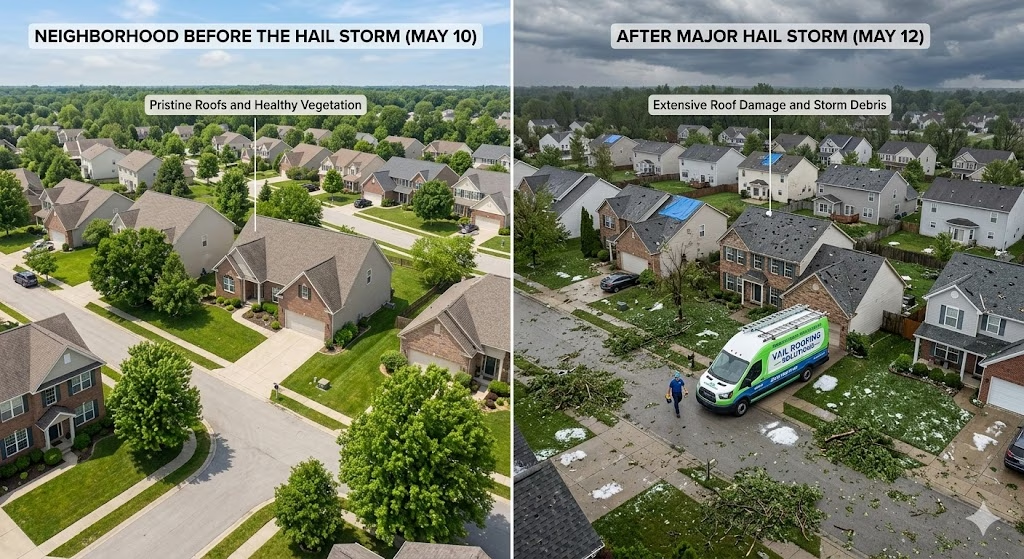
When a major hail event rolls through a community, something predictable happens within minutes: homeowners pull out their phones.
They are not browsing. They are not comparing options casually. They are stressed, they have real damage, and they need someone they can trust right now.
Google searches for terms like “roof hail damage repair,” “hail damage roofer near me,” and “does my roof need replacing after hail” spike by hundreds of percent in the hours following a storm. That demand is real, urgent, and local. And it fades fast.
Within 72 hours, the urgency begins to soften. Insurance adjusters start scheduling. Storm chasers flood the neighborhood with door-hangers. Word-of-mouth kicks in. By day four or five, the homeowner has either booked someone or entered a slower, more comparison-driven decision cycle.
Your goal is simple: be the first credible option they see, and make it effortless for them to call you.
Hour 0-6: Activate Before Your Competition Wakes Up
The moment a storm warning is confirmed for your service area, your marketing machine should be moving. You do not have to wait for the rain to stop.
Turn On or Increase Your Google Ads Budget
If you are running Google Ads, this is the time to increase your daily budget and activate any paused storm-specific campaigns. If you are not running ads yet, this is the single fastest way to appear at the top of search results for a local homeowner searching right now.
Bid on high-intent keywords like:
- “hail damage roof repair [city name]”
- “emergency roof inspection after hail”
- “roof replacement hail [zip code]”
- “does insurance cover hail damage roof”
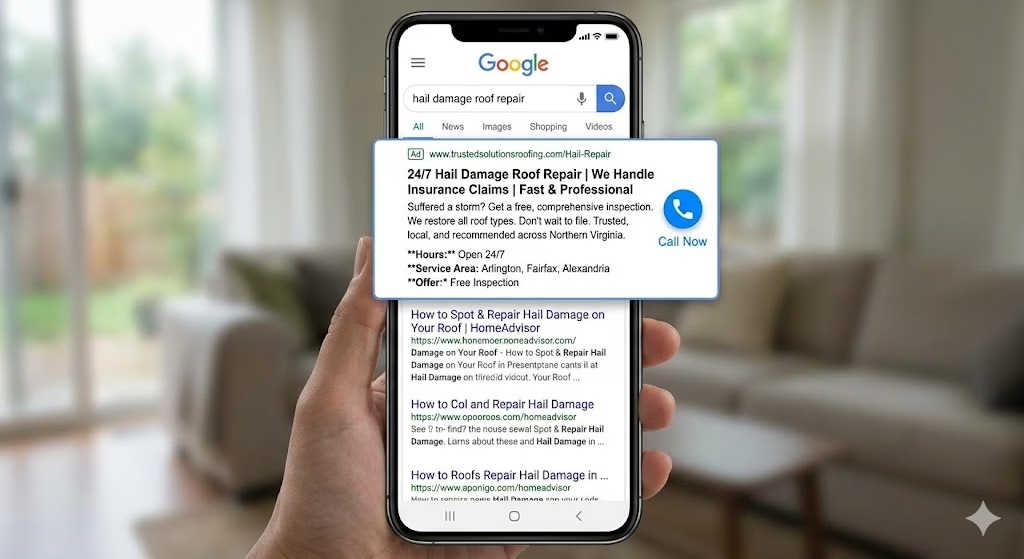
Use location targeting tightly. A homeowner in the affected zip code is worth far more than a broad metro click. Set your ads to show only in the impacted area, and use ad copy that speaks directly to the moment: “Hail Hit [City Name]? Free Roof Inspection. Call Now.”
Pro tip: Write a dedicated storm ad variation with the storm date or storm name in the headline if NOAA has confirmed it. Specificity builds trust and improves click-through rates.
Update Your Google Business Profile Immediately
Your Google Business Profile (GBP) is often the first thing a local homeowner sees. In the 72-hour window, it needs to do three things:
- Signal that you are available and ready. Update your business hours if you are extending them for storm response. Add a post announcing your storm inspection service with a clear call-to-action button linking to your booking form or phone number.
- Use storm-specific keywords in your post. Google indexes GBP posts quickly. A post that says “Serving [City Name] homeowners after the June 7th hail storm. Free roof inspections available. Book online or call us.” can help you appear in localized searches within hours.
- Ask your most recent customers for a quick review. A fresh five-star review mentioning “fast response after the hail storm” is powerful social proof that converts fence-sitters.
Make Sure Your Phone Number Is Clickable Everywhere
This sounds basic. It is not done often enough.
Check your website, your GBP, your social profiles, and your landing page. Every phone number should be a tap-to-call link on mobile. Homeowners searching after a storm are almost always on their phones. If they have to copy and paste your number, a large percentage will not bother.
Hour 6-24: Your Landing Page Is Your Closer
By the time traffic starts arriving, you need somewhere to send it that converts.
A generic homepage is not built for storm response. You need a dedicated storm landing page that speaks directly to a homeowner who just watched golf-ball-sized hail hit their roof.
What a High-Converting Storm Landing Page Includes
Above the fold (what they see before scrolling):
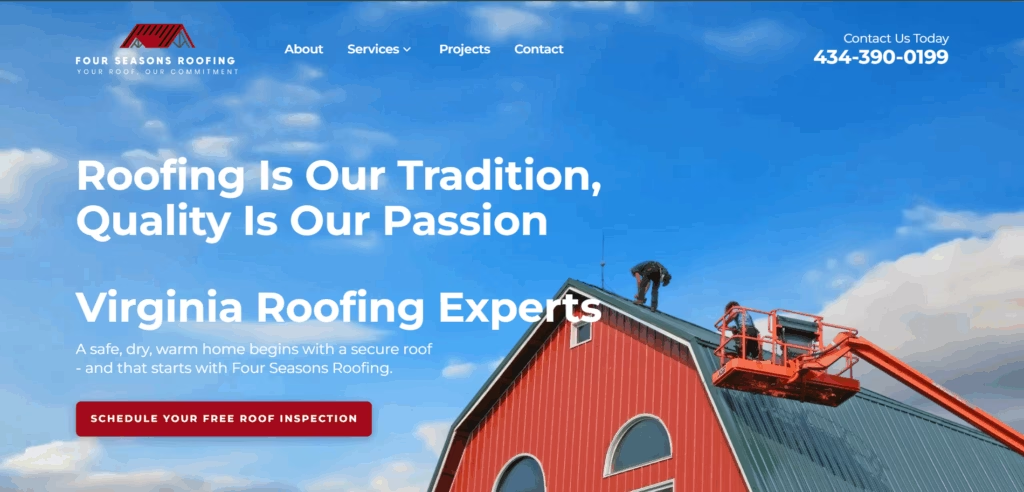
- A clear, benefit-driven headline: “Free Hail Damage Inspection for [City Name] Homeowners”
- A one-field form or a large, prominent phone number
- A single trust signal: your license number, years in business, or number of roofs replaced
In the body of the page:
- A short paragraph explaining what hail damage looks like and why it matters (this builds trust and helps with SEO)
- A simple three-step process: “We inspect. We document. We handle your insurance claim.”
- Before-and-after photos from previous storm jobs
- Two or three authentic customer reviews mentioning storm work
- An FAQ section addressing: “Will insurance cover this?” “How long will repairs take?” “How do I know if I really have damage?”
The CTA:
- Book a free inspection
- Call now
- Get a same-day visit
Keep it short. Keep it focused. One page, one goal: get the call.
Hour 24-48: Follow Up Faster Than Anyone Else
Here is where most roofers lose the job even after generating the lead.
A homeowner fills out your form at 9:47 PM. You see it the next morning. By then, two competitors have already texted them.
Speed of follow-up is the single most underrated competitive advantage in storm season marketing. Studies on lead response time consistently show that contacting a lead within five minutes dramatically increases the chance of conversion compared to waiting even 30 minutes.
Build a Storm Response Follow-Up Sequence in Your CRM
A CRM built specifically for construction and roofing businesses can automate this entirely. The moment a form is submitted, your system can:
- Send an instant text: “Hi [Name], this is [Your Name] from [Company]. We received your inspection request. We are available tomorrow between 8 AM and 2 PM. Would either of those work for you?”
- Send a follow-up email with your credentials, photos of previous storm repairs, and a link to your calendar booking tool
- Alert your sales team or field crew with the lead details so a human can follow up by phone within 15 minutes
A CRM solution for roofing and construction businesses removes the guesswork and the manual work from this process. Every lead is touched, tracked, and followed up with automatically, even if your crew is on three roofs at the same time.
Hour 48-72: Own the Neighborhood With Localized Content
While competitors are still knocking doors, you can be building long-term authority online that keeps your phone ringing for weeks after the storm.
Publish a Storm-Specific Blog Post or FAQ Page
Within 48 hours of a major event, publish a blog post targeting searches like:
- “Hail damage roof repair [city name] 2025”
- “How to file a roof insurance claim after hail in [state]”
- “What does hail damage look like on asphalt shingles”
This content does not need to be long. A focused 600-800 word post that answers real questions homeowners are asking will outperform a bloated, generic page every time. Google rewards specificity and genuine information gain.
Include:
- The storm date and location
- A clear explanation of what hail damage looks like on different roof types
- Your inspection and claims process
- A call-to-action to book a free inspection
A well-structured SEO strategy built for roofing companies ensures this content is indexed quickly and targets the right local keywords from day one.
Post on Social Media With Geo-Tagged Photos
Document your storm response work in real time.
Post photos of actual hail damage you are finding (with homeowner permission), your team on roofs in the affected area, and before-and-after comparisons. Tag the neighborhood, city, or zip code in each post. Use hashtags like #[CityName]Roofing #HailDamage #[CityName]Storm.
This serves two purposes:
- It builds social proof that you are the roofer actively working in that community right now
- It creates additional indexed content across platforms that can show up in local search results
The Mistake That Costs Roofers the Most Jobs
The biggest missed opportunity in storm marketing is not the ads or the landing page. It is the lack of a system.
Roofers who consistently win after storms are not necessarily the ones with the best crews or the lowest prices. They are the ones who have built a marketing engine that runs predictably, even when the owner is on a roof.
That means:
- Ads that can be activated with one click
- A landing page that is already built and just needs the storm details updated
- A CRM that automatically follows up with every lead
- A team or agency that handles GBP updates, social posts, and content publishing without waiting for instructions
If you are rebuilding this from scratch every time a storm hits, you will always be a day late.
Building a Year-Round Foundation That Makes Storm Season Easier
Storm marketing works best when your baseline digital presence is already strong. If a homeowner searches your company name after seeing your truck in their neighborhood, what do they find?
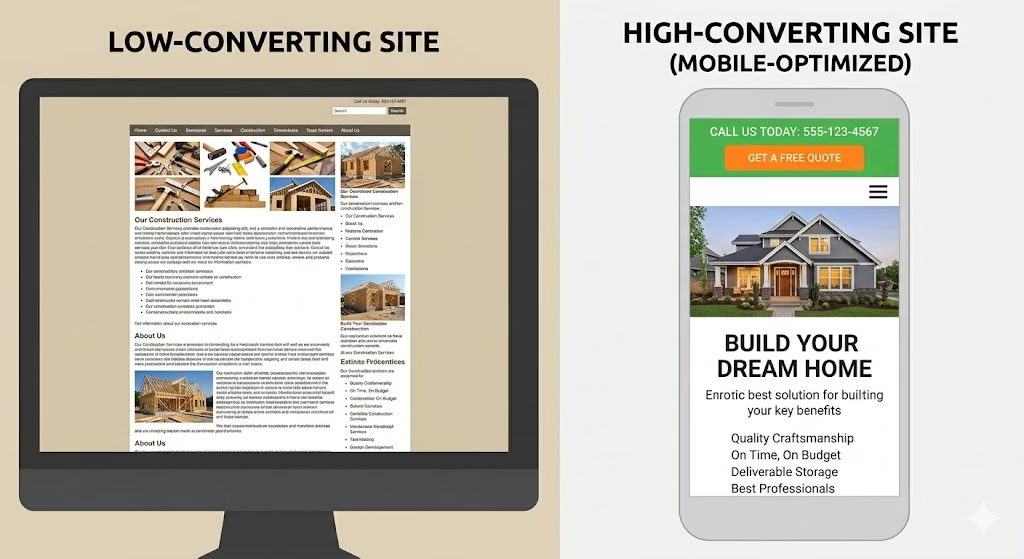
- A professional, fast-loading website that works on mobile
- A Google Business Profile with recent reviews and current photos
- Google Ads that can scale quickly when demand spikes
- Social media content that shows your recent work
This is the foundation that separates roofers who get 15 calls after a storm from the ones who get 150.
A complete website design built for roofing lead generation is not just a nice-to-have. In storm season, it is the difference between a homeowner who calls you and one who scrolls past.
Your 72-Hour Storm Marketing Checklist
Hour 0-6
- [ ] Activate or increase Google Ads budget for storm keywords
- [ ] Update Google Business Profile with a storm response post
- [ ] Verify all phone numbers are tap-to-call on mobile
- [ ] Alert your team to increase capacity for calls and inspections
Hour 6-24
- [ ] Launch or update your storm-specific landing page
- [ ] Enable CRM automated follow-up sequences for new storm leads
- [ ] Send an email to your existing customer list offering priority inspections for referrals
Hour 24-48
- [ ] Publish a storm-specific blog post or FAQ page targeting local search terms
- [ ] Begin posting geo-tagged job photos to social media
- [ ] Monitor and respond to all new Google reviews mentioning the storm
Hour 48-72
- [ ] Review ad performance and adjust bids on top-converting keywords
- [ ] Follow up with any leads that did not convert with a second automated touchpoint
- [ ] Document completed jobs for future case studies and marketing content
Final Word
A major hail event is not just a weather event. For a prepared roofing company, it is a revenue event.
The roofers who understand that marketing is an infrastructure investment, not a last-minute expense, will always come out ahead. When your ads are ready, your landing page is live, your CRM is running, and your GBP is updated within hours, you are not chasing the storm. The storm is working for you.
If you are ready to build a storm-ready marketing system for your roofing business, Pudgy Squirrel Marketing works exclusively with construction and roofing companies. We know your industry, and we know how to help you win when it matters most.
Why Schedule a Call?
Popular Insights
Why Most Construction Company Websites Don’t Generate Leads and Exactly How to Fix Yours
Nov. 11, 2026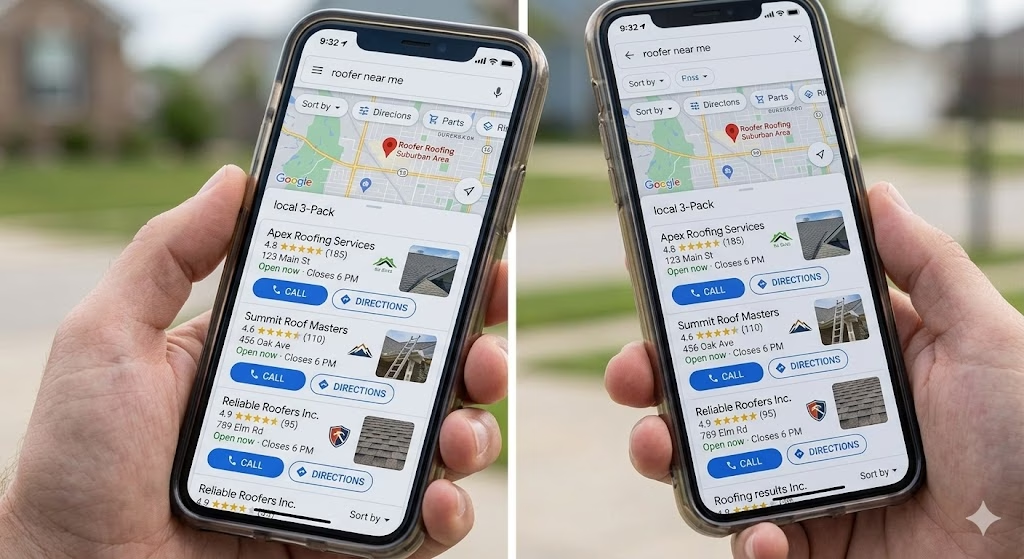
Google Business Profile for Roofers: The Complete Setup and Optimization Guide to Dominate Local Search
Nov. 03, 2026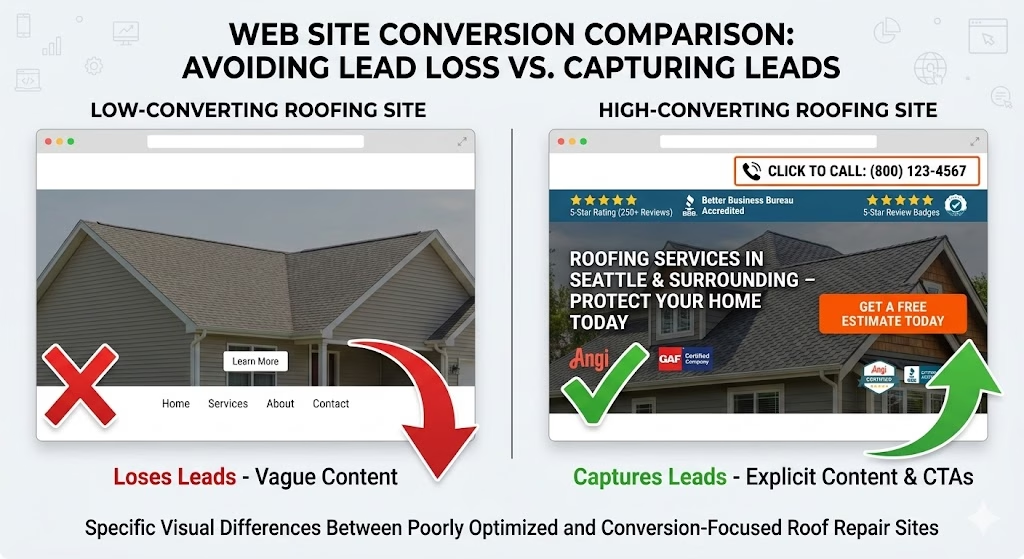
What a Roofing Company’s Website Needs to Convert Visitors Into Booked Estimates (With Examples)
Oct. 20, 2026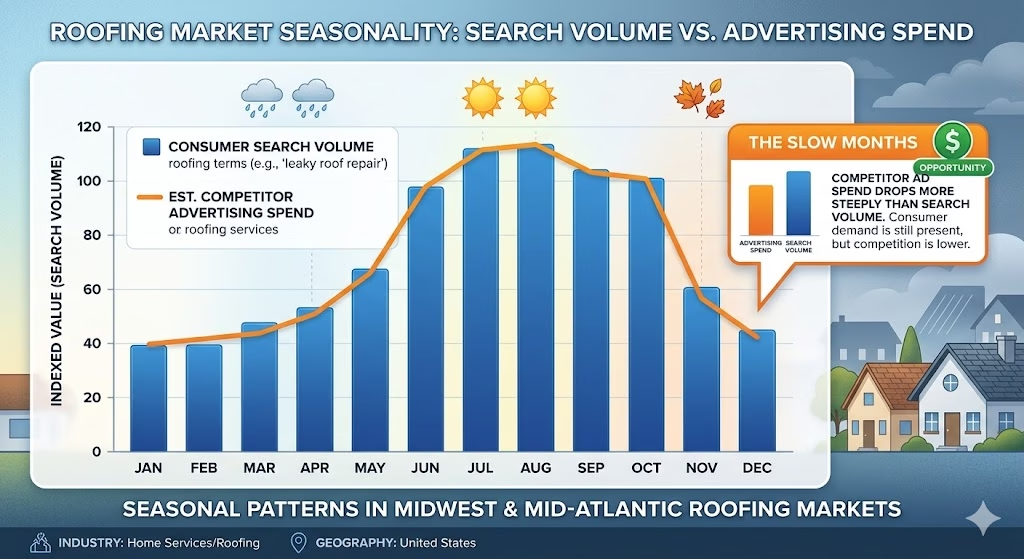
How Roofers Get More Leads in the Off-Season: A Practical Marketing Playbook for Slow Months
Oct. 13, 2026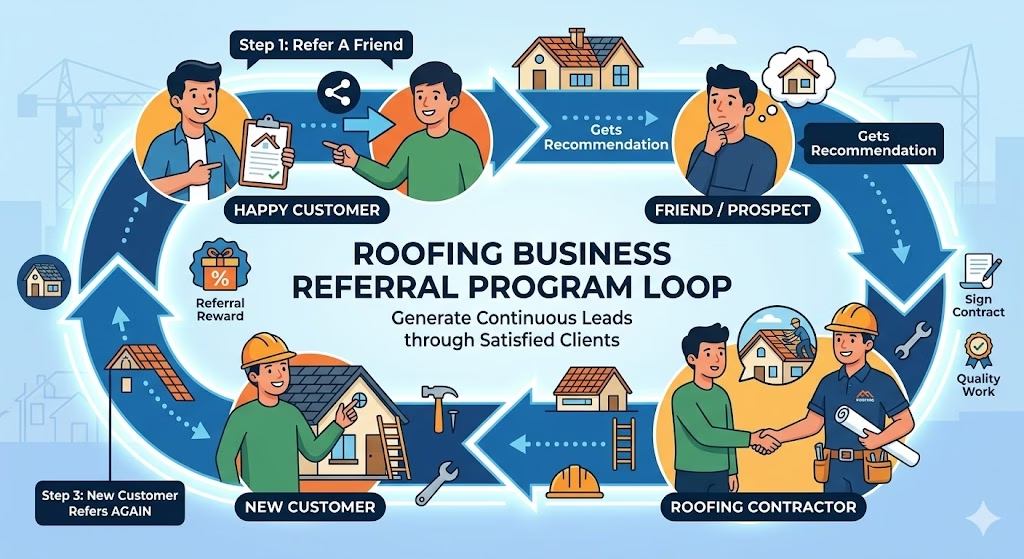
How to Build a Referral Program for Your Roofing or Construction Business (Without Spending a Fortune)
Oct. 09, 2026Topics
Pudgy Squirrel Marketing
Why Most Construction Company Websites Don’t Generate Leads and Exactly How to Fix Yours
Read More
Pudgy Squirrel Marketing
Google Business Profile for Roofers: The Complete Setup and Optimization Guide to Dominate Local Search
Read More
Pudgy Squirrel Marketing
Storm Season Marketing for Roofers: How to Get More Calls in the 72 Hours After a Major Hail Event
Read More
Pudgy Squirrel Marketing
What a Roofing Company’s Website Needs to Convert Visitors Into Booked Estimates (With Examples)
Read More
Pudgy Squirrel Marketing
How Roofers Get More Leads in the Off-Season: A Practical Marketing Playbook for Slow Months
Read More
Pudgy Squirrel Marketing
How to Build a Referral Program for Your Roofing or Construction Business (Without Spending a Fortune)
Read More
Pudgy Squirrel Marketing
The Amish and Plain Community Business Owner’s Guide to Online Marketing
Read More
Pudgy Squirrel Marketing
Mailers Aren’t Dead: Why Direct Mail Still Works for Roofing and Construction (And How to Run One That Converts)
Read More