
Get In Touch
Pudgy Squirrel Marketing
Why Most Construction Company Websites Don’t Generate Leads and Exactly How to Fix Yours
By Tony
November 11, 2026
9 mins
Share:
The Hard Truth About Construction Websites
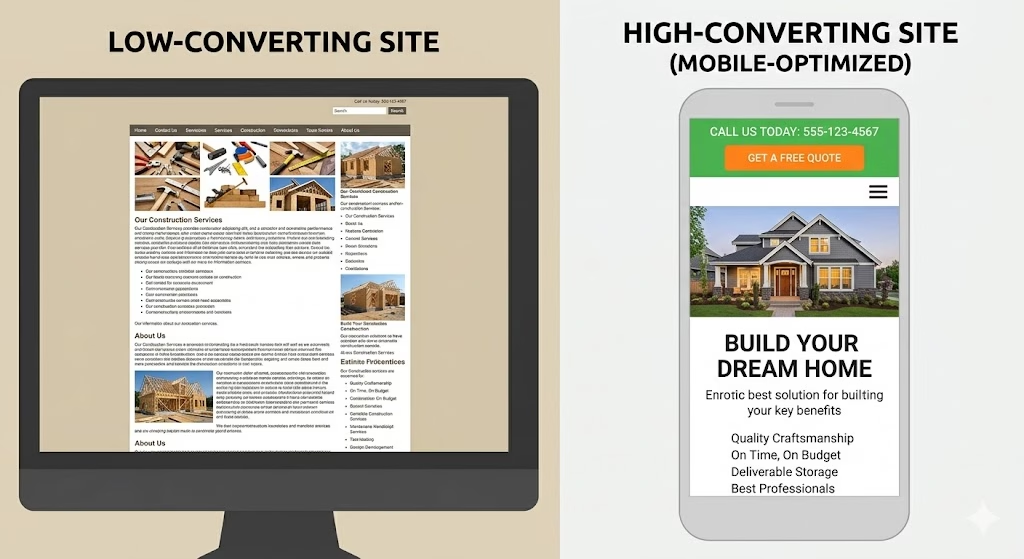
Most construction company websites were built to look professional. They were not built to generate leads.
There is a meaningful difference between the two, and it explains why so many contractors have a website they feel proud of but a phone that does not ring from it.
A brochure website tells people who you are. A lead-generating website gives the right visitor a clear, frictionless path to contacting you. One is a digital business card. The other is a 24-hour salesperson.
If your website gets traffic but your contact form sits empty, or if you cannot remember the last time a new customer said “I found you online,” this guide is for you.
Problem 1: Your Homepage Is About You, Not the Customer
Open your homepage right now and read the first two sentences.
Do they describe your company’s history, your years in business, or your mission statement? If so, you have already lost a significant percentage of your visitors.
Homeowners and commercial clients who land on a construction website are not thinking about you. They are thinking about their problem. A roof that is leaking. A commercial build that needs to break ground. A remodel that has been on hold for two years. They want to know, within seconds, whether you can solve that problem for them.
The Fix: Lead With the Customer’s Outcome
Rewrite your homepage headline to speak directly to what the visitor wants to achieve, not what your company does.
Weak headline: “Welcome to Miller Construction. Serving the Tri-State Area Since 1998.”
Strong headline: “Commercial and Residential Construction in [City]. Done on Time. Done Right. Get a Free Estimate Today.”
The difference is that the second version answers the visitor’s three unspoken questions immediately: What do you do? Where do you do it? What should I do next?
Your homepage hero section (the top of the page before scrolling) should contain:
- A benefit-led headline that names your service and location
- A one-sentence subheadline that addresses the visitor’s core concern (reliability, timeline, quality, price transparency)
- A single, prominent call-to-action button or phone number
- One high-quality photo of a completed project, not your logo, not a stock image of a handshake
Every word above the fold should earn its place by serving the visitor’s decision, not your ego.
Problem 2: There Is No Clear Call to Action (or There Are Too Many)
This is the most common conversion mistake on construction websites, and it takes two opposite forms.
Form A: No clear CTA. The visitor reads through your services, looks at some photos, and then… nothing obvious happens. There is no button, no prominent phone number, no form. They close the tab.
Form B: Too many CTAs. “Call us.” “Email us.” “Fill out this form.” “Get a free quote.” “Schedule a consultation.” “Follow us on Facebook.” “Download our brochure.” Every option competes with every other option, and the result is decision paralysis. The visitor does nothing.
The Fix: One Primary Action Per Page
Every page on your website should be designed around a single primary action you want the visitor to take.
For most construction companies, that action is one of the following:
- Call for a free estimate
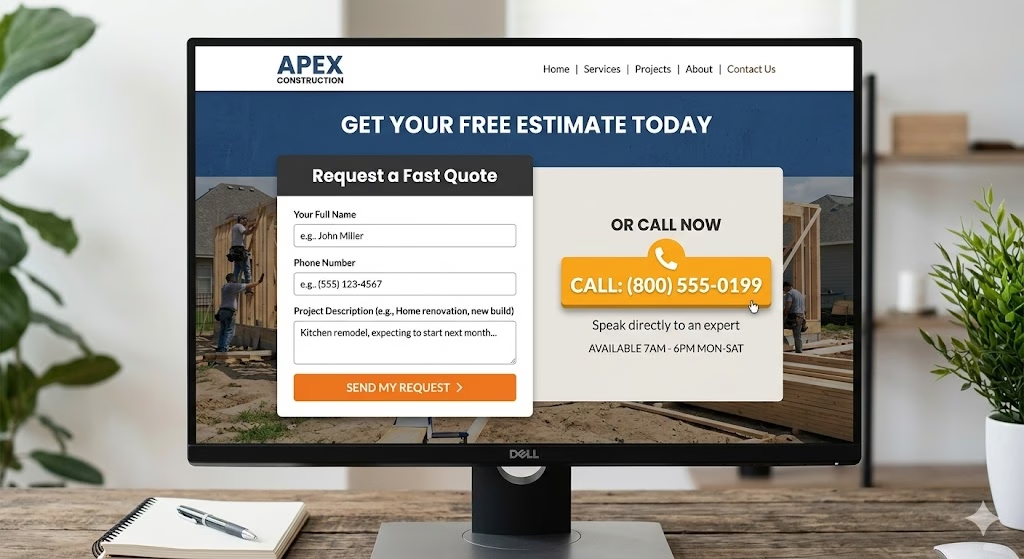
- Fill out a short quote request form
- Schedule a site visit or consultation
Pick one. Make it impossible to miss. Use a contrasting button color, a sticky phone number in the header that scrolls with the page on mobile, and repeat the CTA at the top, middle, and bottom of every service page.
The form itself matters too. A form with 10 fields will convert at a fraction of the rate of a form with 3 fields. For a first contact, you only need: name, phone number, and a brief description of the project. Everything else can be collected during the follow-up call.
Problem 3: The Site Loads Too Slowly
Page speed is not just a user experience issue. It is a ranking factor, a conversion factor, and a lead-generation factor all at once.
Google’s own data shows that the probability of a bounce (a visitor leaving without taking action) increases dramatically as page load time increases. A page that takes four seconds to load loses a significant share of visitors compared to one that loads in one second.
For construction companies, this matters more than average. Your potential customers are often searching on a job site, in a parking lot, or at home on a mid-range phone with inconsistent cell service. If your homepage takes six seconds to load under those conditions, they are gone.
The Fix: Run a Speed Test Today
Go to PageSpeed Insights and enter your homepage URL. Google will give you a score out of 100 for both mobile and desktop and flag specific issues to fix.
The most common speed problems on construction websites are:
- Uncompressed images: Large, unoptimized photos of job sites are the number one culprit. Every image on your site should be compressed and served in a next-generation format like WebP.
- Bloated page builders: Many construction sites are built on drag-and-drop builders that add significant code weight. If your mobile score is below 50, the platform itself may be the problem.
- No caching or CDN: A content delivery network serves your pages from servers closer to the visitor’s location. Most good hosting providers offer this, and it can meaningfully reduce load time.
- Render-blocking scripts: Third-party plugins, chat widgets, and tracking codes that load before the page content can delay the visible load by seconds.
A score above 70 on mobile is a reasonable target. Above 90 is excellent. Below 50 is costing you leads today.
Problem 4: The Site Does Not Work Well on Mobile
Nearly 60 percent of all web searches happen on a mobile device. For local service businesses like construction and roofing companies, that number is likely even higher because people search when they are standing at a problem, not sitting at a desk.
A mobile-unfriendly site is not just an inconvenience. It is a disqualifying signal. When a homeowner pinches and zooms to read your service descriptions, they are already forming a negative impression of your business before you have said a single word.
The Fix: Test Your Site Right Now on Your Own Phone
Pull out your phone and visit your own website as if you were a potential customer seeing it for the first time.
Ask yourself:
- Can I read the text without zooming?
- Is the phone number a tap-to-call link?
- Does the navigation menu work easily with a thumb?
- Do the photos load quickly and display correctly?
- Can I find the contact form without scrolling for 30 seconds?
If the answer to any of those is no, you have a mobile problem that is actively costing you leads.
Google uses mobile-first indexing, which means it evaluates and ranks your site primarily based on the mobile version. A site that looks great on desktop but performs poorly on mobile will rank lower in search results, which means fewer visitors before the conversion problem even starts.
Problem 5: There Is No Reason to Trust You
Trust is the central purchase decision in construction. A homeowner is considering handing over thousands of dollars to a company, allowing strangers on their property, and disrupting their daily life. They are not going to do that for a company that gives them no reason to feel confident.
Yet most construction websites are almost completely devoid of trust signals.
What Trust Looks Like Online
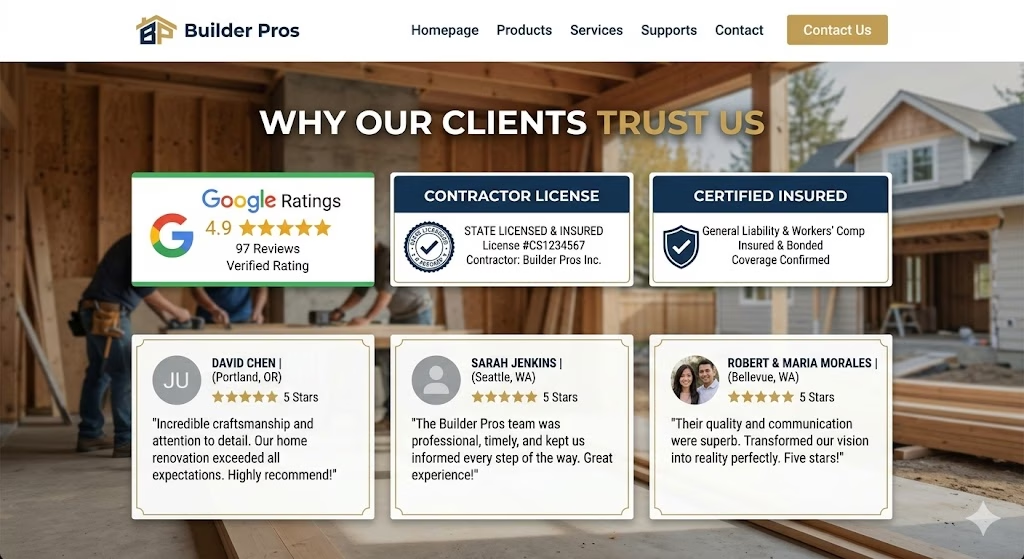
Customer reviews: Not a curated testimonials section with first names only. Real, attributed reviews from Google, Houzz, or other verified platforms, displayed prominently on your homepage and service pages. If you have 87 Google reviews averaging 4.8 stars, say so, and link directly to them.
Photos of real work: Stock images of construction sites destroy trust the moment a savvy visitor recognizes them. Your actual job photos, even taken on a smartphone, are more credible than professional stock photography.
Credentials and licenses: Display your contractor’s license number, your insurance status, and any manufacturer certifications (GAF Master Elite, CertainTeed Select ShingleMaster, etc.). These are trust shortcuts that take seconds to read and carry significant weight.
Real people: A short “About” section with actual photos of the owner and key team members converts better than an anonymous company bio. People buy from people.
Project case studies: Before and after photos with a brief description of the project scope, timeline, and outcome are one of the most underused content formats in construction marketing. A prospective customer who reads a detailed case study about a project similar to their own is highly likely to reach out.
Problem 6: Your Service Pages Are Too Generic
“We do roofing, siding, gutters, and remodeling.” That sentence describes 400 other contractors in your market. It gives Google nothing to rank and gives the visitor no reason to choose you.
Generic service pages are one of the primary reasons construction websites do not appear in local search results for high-value queries. If your roofing page is 150 words of vague description, it will not rank for “roof replacement [city name],” and it will not convert the visitors who do find it.
The Fix: Build Individual, Detailed Service Pages
Each core service you offer deserves its own page, not a section on a shared page. That means a dedicated page for:
- Residential Roof Replacement
- Roof Repair
- Commercial Roofing
- Siding Installation
- Storm Damage Restoration
- Each additional service you actively want leads for
Each page should include:
- A headline that names the service and ideally the location
- A 400-600 word explanation of the service, what the process looks like, and what the customer can expect
- Specific materials, brands, or methods you use (this is a trust signal and an SEO signal simultaneously)
- Photos from actual jobs of that specific service
- Customer reviews that mention that specific service
- A clear CTA linked to a phone number or quote form
This structure gives Google the content depth it needs to rank your page for specific queries, and it gives the visitor the information they need to make a confident decision.
Problem 7: No One Is Following Up With Leads Fast Enough
This problem technically happens after the website does its job, but it is so common and so costly that it belongs in this guide.
A homeowner fills out your quote form at 8:43 PM on a Tuesday. Your team sees it Wednesday morning. By that time, there is a meaningful chance they have already scheduled an estimate with someone else.
Speed of response is a proven differentiator. Studies on lead response time consistently show that the likelihood of converting a lead drops sharply after the first hour and falls further with each passing hour. In competitive construction markets, the contractor who responds first often wins the job.
The Fix: Automate Your First Response
You do not need to be available 24 hours a day. You need a system that responds automatically within minutes so the lead knows they have been received and will hear from you soon.
A basic automation sequence looks like this:
- Lead submits your website form
- System sends an instant text: “Hi [Name], thanks for reaching out to [Company]. We received your request and will call you within [X] hours to schedule your free estimate.”
- System sends a follow-up email with your credentials, a link to your Google reviews, and two or three recent job photos
- Your team receives an alert with the lead’s contact details and project description
This sequence takes roughly 30 minutes to set up in a modern CRM built for construction and roofing businesses, and it will recover leads that would otherwise go cold before your team even sees them.
The Compounding Effect: When Your Website Works With Everything Else
Each fix above makes your website meaningfully better in isolation. But the real compounding effect happens when your website is connected to a full marketing system.
A fast, mobile-optimized, trust-rich website with clear CTAs is the engine. But it needs fuel and direction.
Local SEO drives the right visitors to your site in the first place. If you are not showing up in Google search results for your core services in your service area, the best website in the world sits empty. A local SEO strategy built specifically for construction companies ensures that the people searching for what you do in your area actually find you.
Google Ads can drive immediate, targeted traffic to your highest-converting service pages while your organic rankings build. Paid and organic working together capture the full search opportunity rather than just part of it.
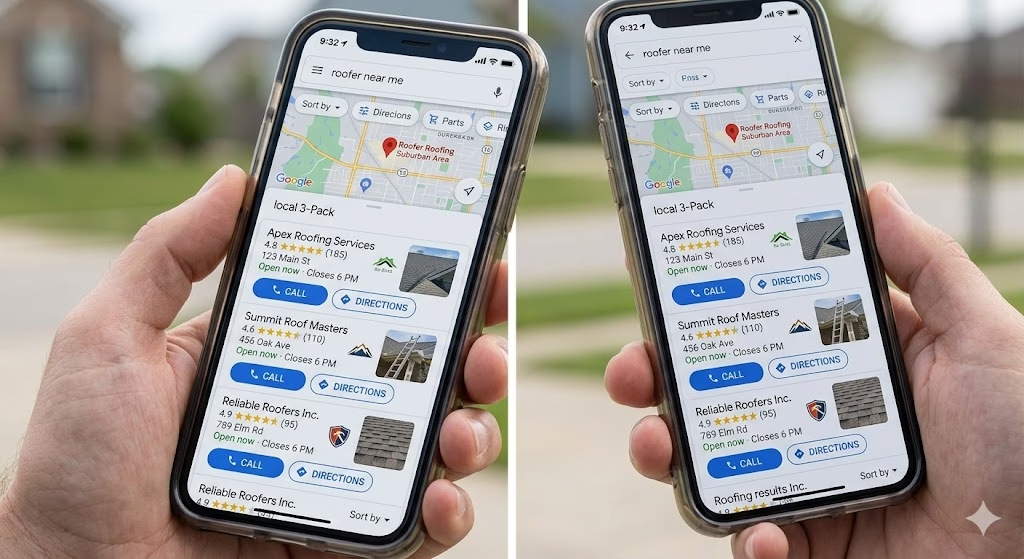
Your Google Business Profile is often the first touchpoint before a visitor even reaches your website. A strong profile that earns consistent reviews and regular posts pre-sells your credibility before the click happens.
When all of these pieces work together, your website stops being a brochure and starts being a genuine lead machine.
Your Construction Website Fix Priority List
If you are looking at all of this and wondering where to start, use this priority order. It is sequenced by impact per hour of effort.
Priority 1 (do this week):
- Run a PageSpeed Insights test and fix your top three speed issues
- Confirm your phone number is a tap-to-call link on mobile
- Add your Google review count and star rating to your homepage
Priority 2 (do this month):
- Rewrite your homepage headline to lead with customer outcomes
- Simplify your contact form to three fields maximum
- Compress and re-upload your largest homepage images
Priority 3 (do this quarter):
- Build out individual service pages for each core offering
- Add before-and-after job photos with real project details
- Set up an automated lead response sequence in your CRM
Priority 4 (ongoing):
- Publish new content (blog posts, project case studies) at least twice per month
- Collect and respond to Google reviews consistently
- Review your website analytics monthly and identify pages with high bounce rates
Final Word
Your website should be working for you around the clock. Every day it is not converting visitors into leads, it is costing you jobs, not just failing to bring them in.
The good news is that most of these problems are fixable without a complete rebuild. Targeted, strategic improvements to the right pages and elements can produce a measurable increase in lead volume within weeks.
If you want an honest assessment of where your construction website stands right now and exactly what is holding it back, Pudgy Squirrel Marketing offers a free digital marketing audit tailored to construction and roofing businesses. We will tell you specifically what to fix, in what order, and why it matters.
No guesswork. No generic advice. Just a straight answer about your actual website from a team that works exclusively in your industry.
Why Schedule a Call?
Popular Insights
Google Business Profile for Roofers: The Complete Setup and Optimization Guide to Dominate Local Search
Nov. 03, 2026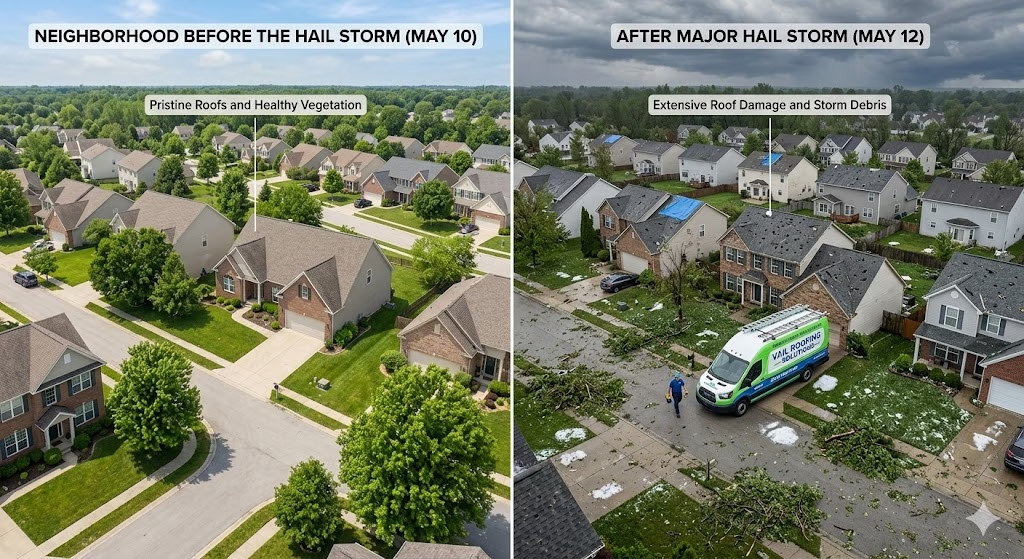
Storm Season Marketing for Roofers: How to Get More Calls in the 72 Hours After a Major Hail Event
Oct. 27, 2026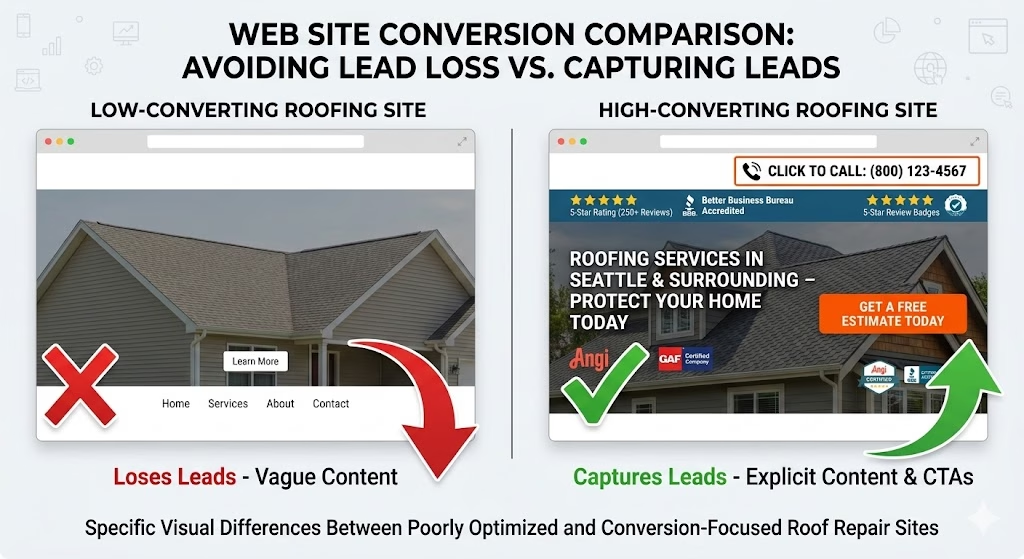
What a Roofing Company’s Website Needs to Convert Visitors Into Booked Estimates (With Examples)
Oct. 20, 2026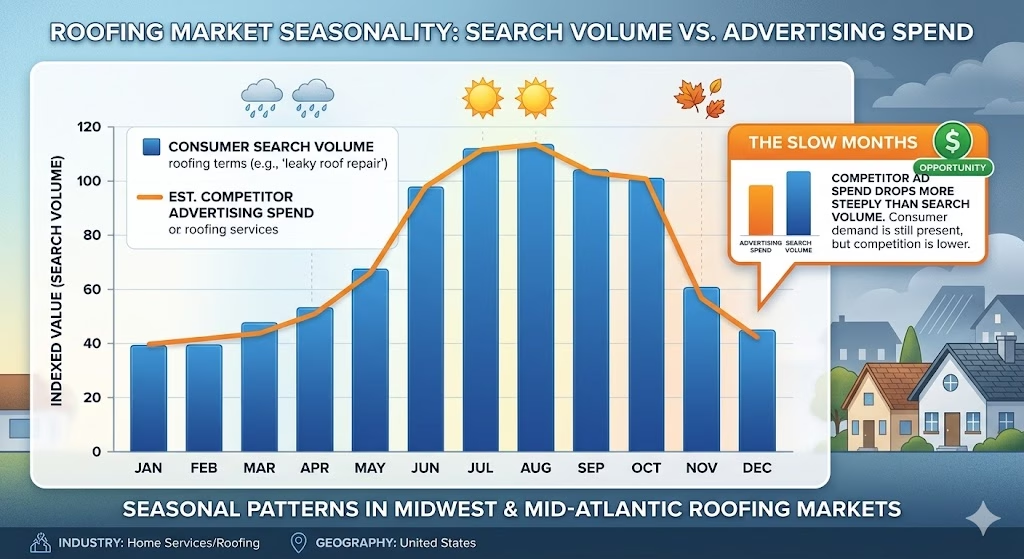
How Roofers Get More Leads in the Off-Season: A Practical Marketing Playbook for Slow Months
Oct. 13, 2026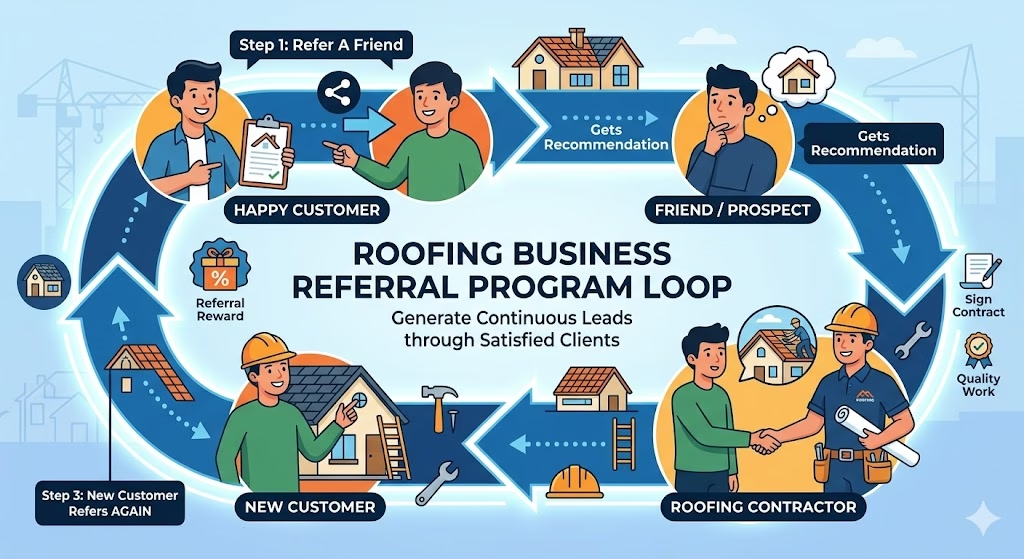
How to Build a Referral Program for Your Roofing or Construction Business (Without Spending a Fortune)
Oct. 09, 2026Topics
Pudgy Squirrel Marketing
Why Most Construction Company Websites Don’t Generate Leads and Exactly How to Fix Yours
Read More
Pudgy Squirrel Marketing
Google Business Profile for Roofers: The Complete Setup and Optimization Guide to Dominate Local Search
Read More
Pudgy Squirrel Marketing
Storm Season Marketing for Roofers: How to Get More Calls in the 72 Hours After a Major Hail Event
Read More
Pudgy Squirrel Marketing
What a Roofing Company’s Website Needs to Convert Visitors Into Booked Estimates (With Examples)
Read More
Pudgy Squirrel Marketing
How Roofers Get More Leads in the Off-Season: A Practical Marketing Playbook for Slow Months
Read More
Pudgy Squirrel Marketing
How to Build a Referral Program for Your Roofing or Construction Business (Without Spending a Fortune)
Read More
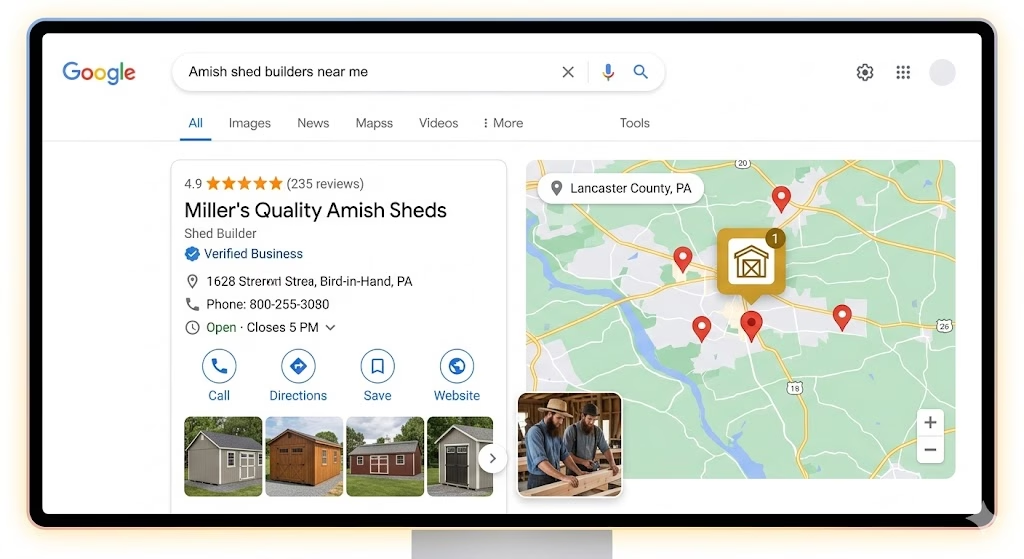
Pudgy Squirrel Marketing
The Amish and Plain Community Business Owner’s Guide to Online Marketing
Read More
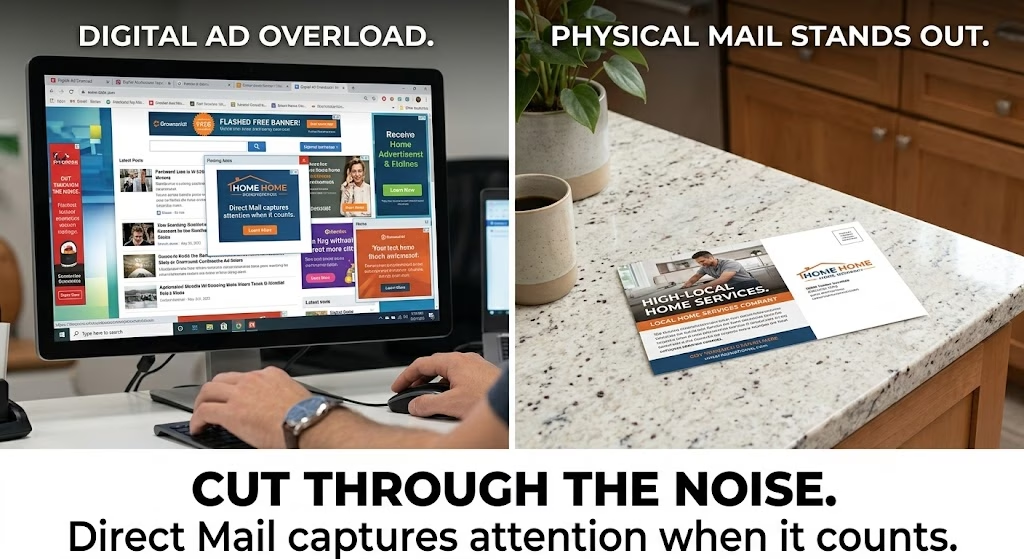
Pudgy Squirrel Marketing
Mailers Aren’t Dead: Why Direct Mail Still Works for Roofing and Construction (And How to Run One That Converts)
Read More