
Get In Touch
Pudgy Squirrel Marketing
Seasonal Marketing: How Smart Contractors Stay Busy in the Slow Season
By Tony
July 17, 2026
14 mins
Share:

Key Takeaways
- The slow season is not a gap in your calendar. It’s a competitive advantage hiding in plain sight most contractors go quiet, which means the ones who stay visible capture a disproportionate share of the buyers who are still shopping.
- The biggest seasonal marketing mistake contractors make is waiting until they’re slow to start marketing. By that point, the pipeline has already dried up. The pipeline you have in January is the result of what you marketed in October and November.
- Slow season is the best time to invest in the marketing infrastructure website updates, SEO content, Google Business Profile optimization, CRM setup that produces compounding returns during peak season.
- Reactivating past customers through targeted outreach during slow months is one of the highest-ROI marketing activities available to any contractor, and almost nobody does it.
- Seasonal promotions and pre-booking incentives, deployed through email, SMS, and social media to your existing audience, convert at dramatically higher rates than marketing to cold audiences during the same period.
- Contractors who use the slow season strategically emerge in spring with better rankings, more reviews, a larger warm audience, and a fuller pipeline than those who simply wait it out.
The Slow Season Trap That Keeps Contractors Behind
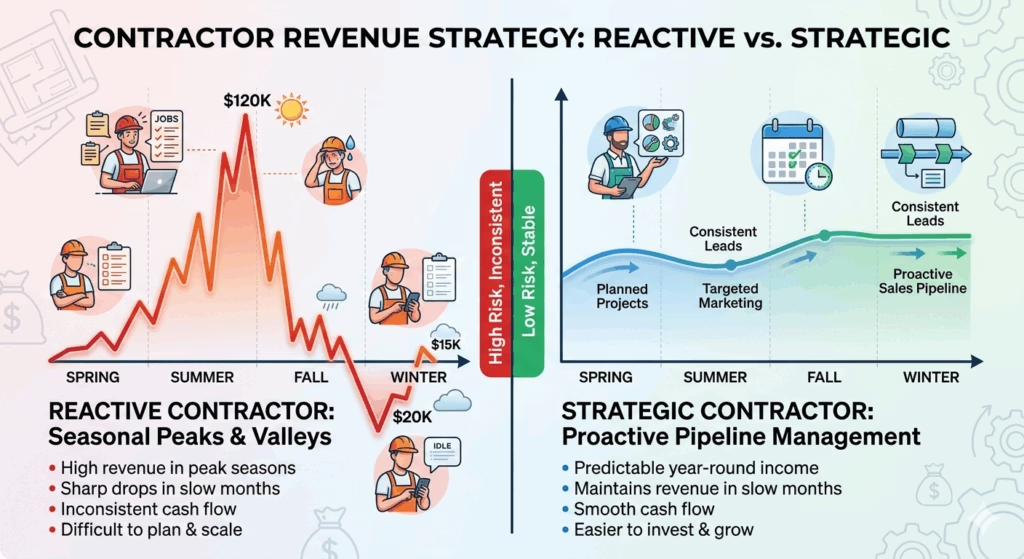
Here’s how most contractors experience the slow season:
October comes. The phone slows down. November is quieter. By December, the pipeline is thin enough to feel real stress. January arrives with a long job board and a short calendar.
Then spring hits and the scramble starts trying to generate leads, ramp up marketing, and fill the schedule all at once while also running the operation.
The contractors who go through this cycle every year aren’t bad at their trade. They’re caught in a reactive marketing pattern that treats lead generation as something you do when things are slow rather than something you maintain consistently so things never get that slow.
The contractors who don’t experience this cycle have figured out something that sounds simple but requires real discipline to execute: the work you do in October and November determines what January looks like. And the work you do in December and January determines what April looks like.
Seasonal marketing isn’t a slow-season fix. It’s a year-round rhythm that prevents the slow season from becoming a revenue crisis in the first place.
This post breaks down exactly what that rhythm looks like and what to do right now, regardless of where in the calendar you’re reading this.
Understanding Your Seasonal Demand Curve
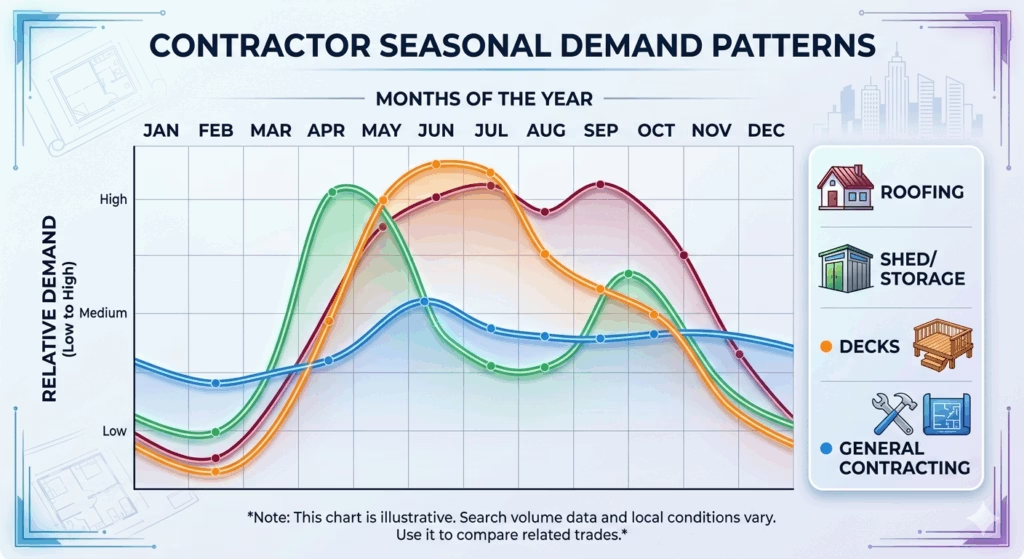
Before building a seasonal strategy, you need to understand your specific demand pattern because not all trades follow the same calendar.
Roofing: Peak demand runs March through October, with a significant secondary spike in fall after storm season. The deepest slow period is typically December through February in most markets. Emergency repair calls continue year-round but replace, reroof, and new construction work declines sharply in winter.
Shed and storage building: Spring (April–June) is peak season as homeowners start outdoor projects. Fall (September–October) sees a secondary surge as buyers want installation done before winter. The genuine slow period is November through February, with some pre-order activity in January from motivated buyers.
Decks and outdoor construction: Similar to shed spring and early summer dominate, with a secondary fall window. Winter is slow but not dead: homeowners who want to enjoy their deck the moment spring hits often book in January and February.
General contractor / remodeling: More weather-independent than exterior trades, but still follows a softer pattern in November through January as homeowners focus on holiday spending rather than project spending. Indoor projects (kitchens, bathrooms, basements) see less seasonality than exterior work.
The mapping exercise: Pull your last two years of booked job data by month. Identify your personal peak months, your genuine slow months, and any secondary peaks you may have been underutilizing. Your actual data is more reliable than industry averages.
Once you know your curve, you can build a marketing calendar around it ramping up activity before peaks, shifting strategy during valleys, and systematically shortening the slow periods through proactive outreach.
The 4 Slow-Season Marketing Moves That Actually Work
Move 1: Reactivate Your Past Customer List
This is the highest-ROI marketing activity available to any contractor in any season and the one almost nobody executes with consistency.
Your past customers already know you, already trust you, and have already experienced your work. They don’t need to be convinced you’re competent. They just need a reason to reach out.
Most of them haven’t thought about you since the job was completed not because they were unhappy, but because life moved on and they had no reason to. A single, well-timed message changes that.
What to send:
A personal, low-pressure check-in message that does three things:
- Reminds them who you are and what you did for them
- Provides a small piece of value (a seasonal tip, an inspection reminder)
- Opens the door to new business without pushing hard
Sample message (SMS or email):
“Hi [First Name], this is [Your Name] from [Company]. We completed your [project type] back in [season/year] hope you’ve been happy with it! With [upcoming season] approaching, I wanted to reach out about [relevant service gutter cleaning, inspection, pre-spring booking]. We have some openings in our schedule right now and wanted to give past customers the first shot before we open it up. Reply here or give me a call if you’d like to get on the calendar.”
What makes this work:
- It’s personal (their name, their project, their relevant next service)
- It creates mild urgency without manufacturing false scarcity
- It gives past customers a feeling of being valued rather than being sold to
- It arrives during a lower-competition window when other contractors aren’t marketing
Who to send it to:
- Every customer from the last 3 years who completed a project
- Leads who inquired but didn’t book especially those who said “maybe next year”
- Referrals who reached out but didn’t convert at the time
A CRM that stores your complete customer history makes this kind of targeted outreach operationally simple. Without one, you’re manually searching through emails and notes which means it probably doesn’t happen consistently.
Move 2: Run Pre-Season Booking Campaigns
The slow season has a hidden opportunity embedded in it: a meaningful percentage of homeowners are already thinking about spring projects. They’re planning. They’re mentally mapping out what they want to do once the weather turns.
If you reach them in January or February before they’ve actively started getting bids you become the first contractor they talk to. And being first carries a significant conversion advantage. People who book a project meeting in January often stop shopping once they find someone they trust.
The pre-season booking offer:
Create a specific, time-limited offer designed to incentivize commitment now for spring work:
- “Book your spring roof replacement before March 1st and receive a complimentary gutter inspection with your estimate.”
- “Reserve your deck build now for an April start and lock in current pricing before spring material increases.”
- “Pre-book your shed installation for spring and receive free delivery and setup included in the package price.”
None of these require heavily discounting your work. They add a value component that rewards early commitment something a buyer who’s already planning appreciates without feeling like they’re getting a distressed discount.
Where to run these campaigns:
- Email to past customers and warm leads from your CRM
- SMS to the same list (SMS typically outperforms email for immediate response)
- Facebook and Instagram posts and boosted ads targeted to local homeowners
- Google Ads with seasonal messaging for buyers actively searching in your category
- A pinned post or Google Post on your Google Business Profile
The key is deploying this across multiple touchpoints simultaneously not just posting once on Facebook and expecting the phone to ring.
Move 3: Invest in Your Marketing Infrastructure
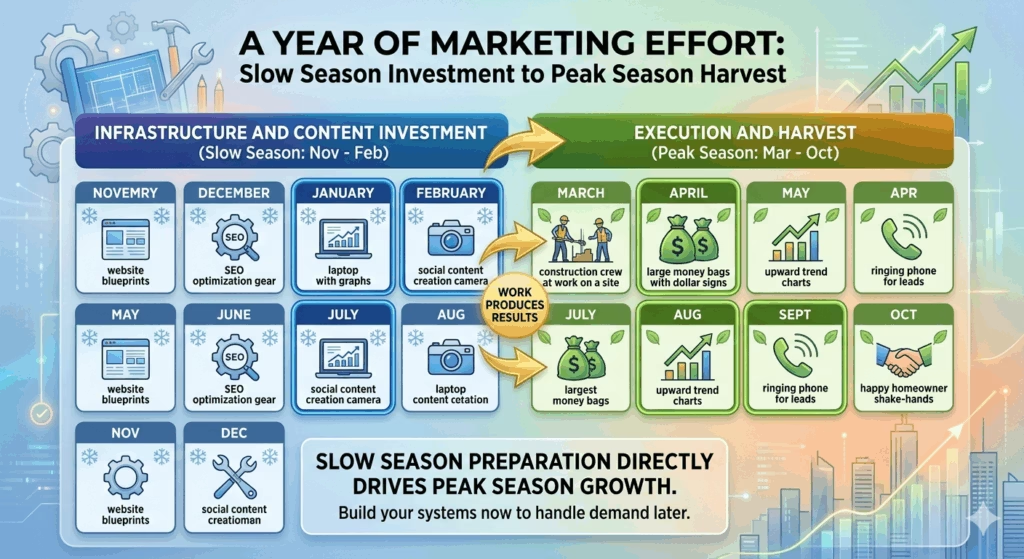
The slow season is the single best time to make the marketing infrastructure investments that are too disruptive or time-consuming to execute during peak season.
During spring and summer, there’s real cost to pausing and reworking your website, rebuilding your CRM, or restructuring your Google Ads campaigns. In January and February, that cost largely disappears because there’s less to disrupt.
The slow-season infrastructure investment list:
Website audit and rebuild: If your website has problems slow load time, poor mobile experience, missing service pages, low conversion rate the slow season is when to fix them. A rebuilt website that goes live in February is ready to capture the surge of spring traffic at peak performance. A rebuilt website that goes live in June means you lost three months of peak-season leads with the broken version.
SEO content production: Search engine optimization takes time to produce results typically 4–9 months for meaningful ranking movement. Content published in December and January is the content that ranks in April, May, and June. The contractors who invest in SEO content during their slow season are the ones who show up at the top of Google when spring search volume peaks.
A consistent SEO content strategy for roofing and construction businesses treats the slow season as a content production window building the blog posts, service pages, and local landing pages that will generate organic traffic for the next 12–18 months. This is the highest-leverage slow-season marketing investment for businesses with a 12–18 month planning horizon.
Google Business Profile refresh: Update your photos, refresh your business description, respond to every unaddressed review, and build out your Q&A section. GBP algorithm signals reward profiles that show consistent engagement and a batch of updates in January signals to Google that your business is active heading into peak season.
CRM and follow-up system build-out: If you don’t have an automated lead follow-up system in place, the slow season is when to build one. Setting up the sequences, testing the automations, and connecting your lead sources takes time that you don’t have in May. Do it in December so it’s running perfectly when April arrives.
Move 4: Stay Visible When Competitors Go Quiet
Here’s the competitive dynamic most contractors miss: their competitors are also doing less marketing in the slow season.
The contractor who ran Google Ads aggressively April through October and went quiet in November isn’t generating any brand exposure during those slow months. Their Facebook page goes dormant. Their Google Business Profile activity slows. Their ads stop running.
The homeowner who starts researching a deck project in February wanting to be ready for a spring start encounters a landscape of contractor brands who all appear to have gone dark. Except yours.
This is one of the most cost-effective competitive advantages available to any contractor. Simply maintaining visible, active marketing during the months when competitors have retreated gives you a share of a smaller audience with almost no competition. And that share of voice converts at higher rates because there’s less noise.
What “staying visible” looks like in practice:
- Facebook and Instagram: Continue posting project content (photos from fall completions, before-and-after sets, behind-the-scenes content from slower work days, educational posts about seasonal prep). Two to three posts per week is sufficient. The goal is presence, not virality.
- Google Ads: Reduce budget rather than turning off entirely. A $300–$400/month campaign during slow months generates brand exposure and captures the buyers who are actively searching in the off-season. These buyers often convert faster because they’ve already been researching for weeks with fewer options contacting them.
- Google Business Profile: Post weekly Google Posts with seasonal content. A roofing company posting “Is your roof ready for winter? Here’s what to look for” in November is capturing search intent that competitors who went dark are missing entirely.
- Email and SMS to warm audience: One monthly touchpoint to your warm list during slow months a helpful tip, a seasonal offer, a project highlight keeps your business top-of-mind for the buyers who will decide to move on a project in spring.
The Slow-Season Content Calendar: What to Post and When
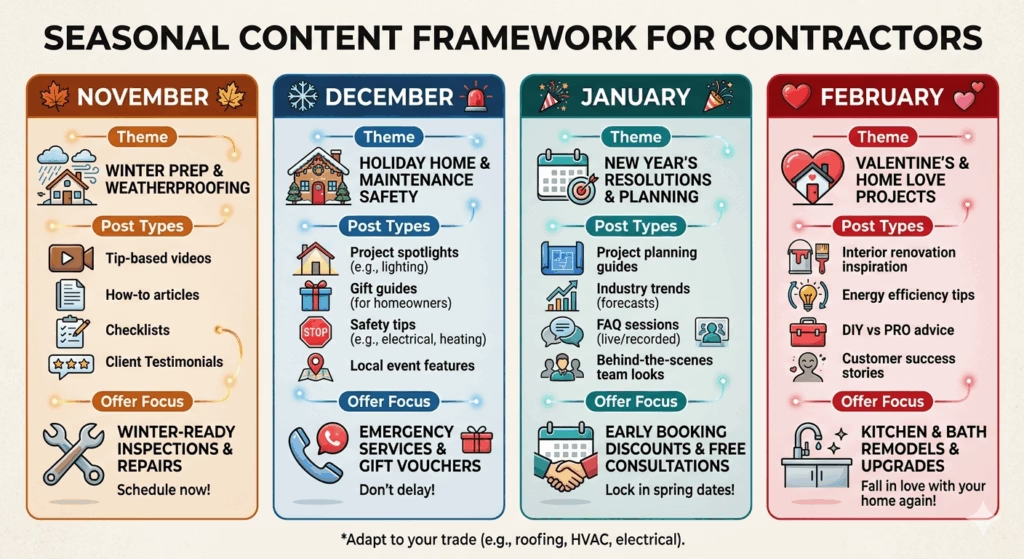
One of the consistent barriers to staying visible in the slow season is knowing what to say. Here’s a content framework built around the November–February window for most contractor trades.
November: The Urgency Window
November carries real seasonal urgency for many contractor services the last chance to complete exterior projects before winter sets in.
Content themes:
- “Last chance before winter” messaging for any projects that make sense to complete in fall
- Storm damage awareness content after any significant weather events in your area
- “Prepare your [home/roof/deck] for winter” educational content that positions you as the expert
- Project photos from fall completions while they’re still fresh
Offer: A fall inspection or assessment offer (often free or low-cost) that gets you in front of homeowners who may have a project that needs attention and generates reviews and referral opportunities from the interaction even if no immediate work follows.
December: The Relationship Month
December is not a sales month. Attempting aggressive lead generation during the holiday season typically produces lower conversion rates because attention is divided. Use it as a relationship month.
Content themes:
- Genuine holiday appreciation content a real thank-you to customers, not a promotional message with a holiday theme bolted on
- Year-in-review content: “Here’s what we built this year” project highlight reels perform extremely well in December and generate shares and saves
- Community involvement (sponsorships, charity work, local events) if relevant to your business
- “Start planning your spring project now” seed-planting content aimed at the decision that will happen in January and February
Offer: Early access to the spring schedule for past customers. Frame it as an exclusive benefit, not a discount.
January: The Planning Month
January is when buyers mentally shift from holiday mode back to project planning. New Year framing (“This is the year I finally do X”) is a genuine motivating force for home improvement decisions.
Content themes:
- Spring project planning content: “How to plan your [project] for spring” guides
- Pre-booking campaign launch: the first deployment of your spring booking offer
- “What does [service] cost in [year]?” content this is one of the highest-searched query types in January as buyers research budgets for spring projects
- Behind-the-scenes content of any slow-season work, training, or business development you’re doing
Offer: Spring booking incentive with a specific deadline (end of February). This is your highest-conversion offer window of the slow season.
February: The Booking Sprint
By February, a meaningful percentage of buyers who have been researching since January are ready to commit. The buyers who contact contractors in February are often the easiest to close they’ve done their research, they know what they want, and they’re ready to decide.
Content themes:
- Final urgency push on spring booking offer (deadline approaching)
- “Why spring books out early” content that creates genuine social proof-based urgency
- First preview of new inventory, new services, or new capabilities for the upcoming season
- Customer testimonial and project showcase content from the previous year’s work
Offer: Last call for the spring booking incentive, with a clear commitment date. After this point, transition messaging to “we’re booking spring slots now” without the specific offer.
Seasonal Marketing by Trade: Specific Strategies for Roofing vs. Shed vs. General Construction
Roofing: The Storm Damage and Inspection Angle
Roofing has a slow-season marketing superpower that other trades don’t: emergency and damage-related demand doesn’t follow the same seasonal pattern as planned replacement.
A winter storm, ice dam, or freeze-thaw cycle creates immediate roofing needs. Contractors who are visible, have Google Ads running, and have their GBP active when a storm hits capture emergency calls that competitors who went dark never see.
Slow-season roofing strategies:
- Winter storm readiness content: Publish content in November about ice dams, winter roof maintenance, and what to do when a leak appears in cold weather. This content ranks and generates calls during the exact events it describes.
- Free winter inspection offers: A no-charge roof inspection in November or December positions you for the repair or replacement conversation if problems exist and generates trust and a review even if no immediate work follows.
- Reactivate storm season leads: Pull any leads from spring or summer storm events who got estimates but didn’t move forward. A simple message “We have some winter scheduling availability and wanted to check back in about your roof” converts a meaningful percentage of these seemingly cold leads.
- Pre-spring replacement booking: Position the slow season as the optimal time to book a spring replacement. “Book now while we have spring availability we always book out by March in this area” is a legitimate urgency message for roofing companies in most markets.
Shed and Storage: The Gift, Resolution, and Spring Prep Window
Shed businesses have a unique slow-season angle: sheds bought as organizational solutions often align with New Year’s resolution energy in January and February.
Slow-season shed strategies:
- “Finally get organized” messaging: January is the month when homeowners are most motivated by the idea of decluttering and creating order in their garage, yard, and storage spaces. A shed that solves a chronic organization problem is an aspirational purchase in this window.
- Gift and holiday buying: A well-timed November campaign targeting shed purchases as holiday gifts for homeowners (unusual but effective for certain buyer profiles) can capture a segment of buyers who don’t think to look in spring.
- Virtual lot tours and online inventory: If buyers can’t easily visit your lot in bad weather, a Facebook video tour of your current inventory or a virtual walkthrough of your most popular models keeps your product visible without requiring a physical visit.
- Pre-order with spring delivery: Offer a slow-season purchase price with a committed spring delivery date. This is particularly effective for buyers who want to lock in a price before spring material increases a genuine concern for many shed companies.
A lead generation and social media strategy built for shed businesses accounts for these seasonal angles in the content calendar so your messaging aligns with the actual buying psychology of your customer at each point in the year.
General Contractor / Remodeling: The Indoor Project and Planning Season
General contractors have the least weather-sensitive service mix of any trade in this category which means the slow season is actually a stronger opportunity for them than for exterior-focused businesses.
Slow-season general contractor strategies:
- Lead with indoor projects: Kitchen remodels, bathroom renovations, basement finishing, and whole-house updates are all weather-independent. Lean heavily into interior project marketing in winter.
- Design and planning consultations: Offer free or low-cost planning consultations in December and January for buyers who want to plan a spring or summer project. Getting into a planning conversation now positions you as the contractor of record before anyone else is consulted.
- “Remodel before the spring rush” messaging: The same supply and scheduling pressure that affects roofing applies to general contracting spring and summer are when everyone wants work done, prices reflect demand, and timelines stretch. Buyers who move in winter often get better availability and sometimes better pricing on materials. This is a legitimate value proposition.
The Slow Season as a Training and Preparation Window
Beyond marketing, the slow season is when the best contractors do the preparatory work that makes the busy season run more efficiently.
Team and process improvements:
- Training for new services or upgraded techniques
- Process documentation that prevents the chaos of onboarding new crew during peak season
- Equipment maintenance and fleet preparation
Relationship investments:
- Supplier relationship check-ins that position you for better pricing and priority service when spring demand spikes
- Subcontractor alignment so you have the capacity coverage you need before you need it
- Industry association involvement, networking events, and peer learning opportunities
Marketing system review:
- Auditing the previous year’s marketing performance: which channels produced the best leads? What was the cost-per-job by source? What content performed best on social? What did you wish you had built or done differently?
- Planning the upcoming year’s marketing calendar based on real data, not instinct
- Identifying the marketing investments that compound over time and allocating slow-season budget accordingly
This is exactly the kind of strategic marketing review that a comprehensive marketing strategy consultation for a construction or roofing business covers aligning your budget, your timing, and your channel strategy to your actual seasonal demand curve so you’re not playing catch-up every spring.
What the Slow Season Looks Like for Contractors Who Have This Right
Here’s the picture that’s worth building toward.
A contractor who has a seasonal marketing system in place enters the slow season with:
- A warm email and SMS list of past customers and unconverted leads
- An automated reactivation campaign ready to deploy
- A pre-booking offer structured and ready to send
- A GBP and social media presence that stays active without requiring heavy ongoing effort
- An SEO content plan that produces content during the slow months so it ranks by spring
- A CRM that tracks every lead, every outreach, and every response so no warm prospect falls through the cracks
They spend December and January:
- Running the reactivation campaign
- Publishing content that ranks in spring
- Booking a meaningful portion of their spring schedule
- Improving the marketing infrastructure that will make next year’s peak season even stronger
By the time March arrives, they have a fuller pipeline than competitors who went quiet in November. They’re not scrambling to generate leads while also managing spring volume. They’re executing against a schedule that was largely built while others were waiting for the phone to ring.
That is what seasonal marketing actually looks like when it’s done well. And every contractor reading this can build it.
Your Slow-Season Marketing Action Plan (Start This Week)
Regardless of which month you’re reading this, these five actions move the needle immediately:
Action 1: Pull your past customer list. Every customer from the last three years goes into a CRM or spreadsheet. This is the most valuable marketing asset you own.
Action 2: Craft a personal reactivation message for your top 20 past customers. Not a mass email a personal text or call that references their specific project. Send it this week.
Action 3: Write your pre-season booking offer. What can you offer that rewards early commitment without discounting your margin? Finalize it and schedule it for deployment.
Action 4: Audit your Google Business Profile. When was the last photo uploaded? The last Google Post published? The last review responded to? Update everything this week.
Action 5: Plan your content for the next 60 days. Two to three social posts per week, themed around the content calendar framework above. Schedule them in advance so they run even during your busiest operational days.
These five actions won’t transform your business overnight. But done consistently, starting now, they will produce a meaningfully different slow season one that ends with a fuller pipeline, a stronger marketing foundation, and a business positioned to capture more of the spring surge than the contractor down the road who waited until March to start marketing again.
The Bottom Line
The slow season is not a break in the work. For the contractors who understand seasonal marketing, it’s when the next peak season is built.
The pipeline you fill in fall becomes the revenue you earn in winter. The content you publish in December becomes the traffic you receive in April. The reviews you collect in November become the trust signals that convert buyers in March. The infrastructure you build when things are slow becomes the engine that runs when things get fast.
Every contractor has a slow season. What separates the ones who stay busy through it from the ones who struggle is not luck or location it’s the decision to market consistently when marketing feels least urgent.
Start now. Stay consistent. The compounding will take care of the rest.
Why Schedule a Call?
Popular Insights
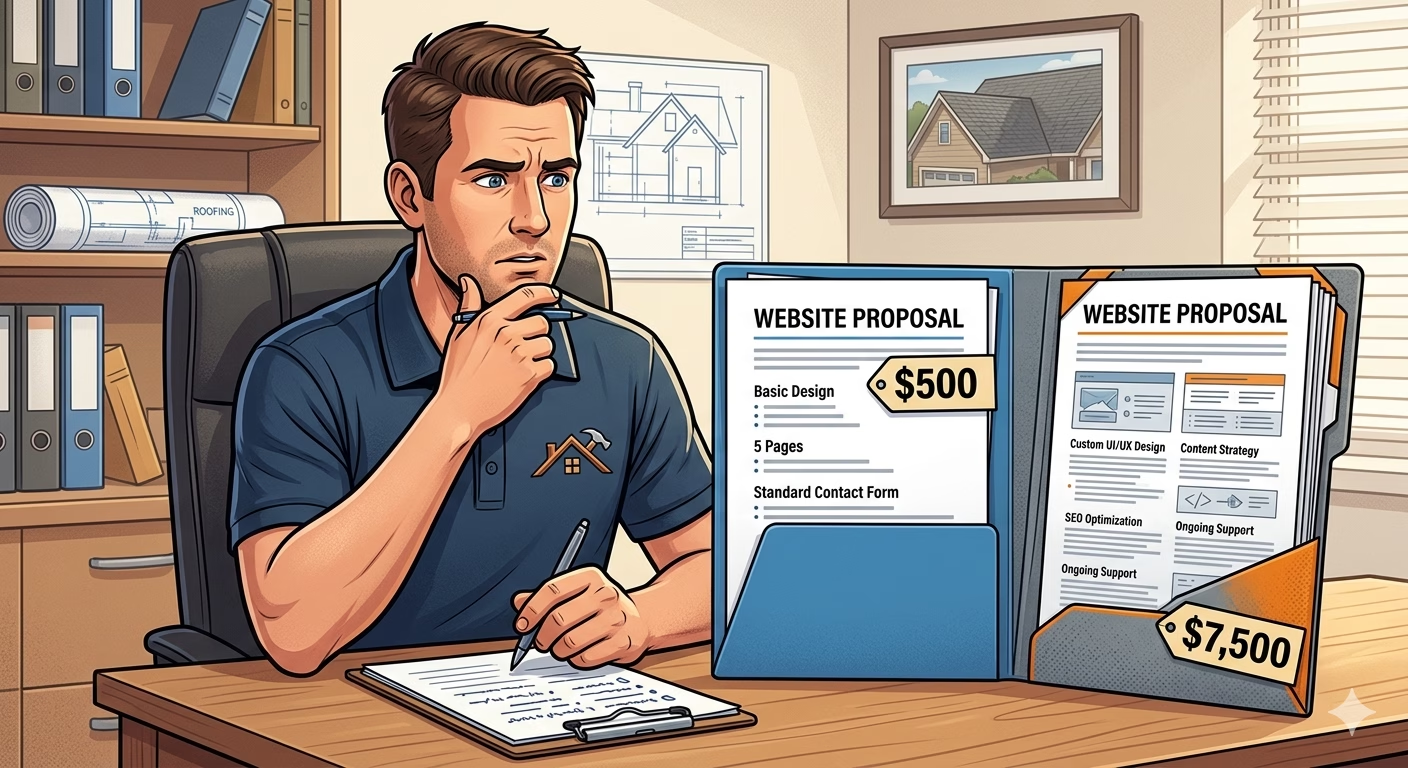
What a Roofing Website Should Cost in 2026 (And What You Actually Get for the Money)
Sep. 04, 2026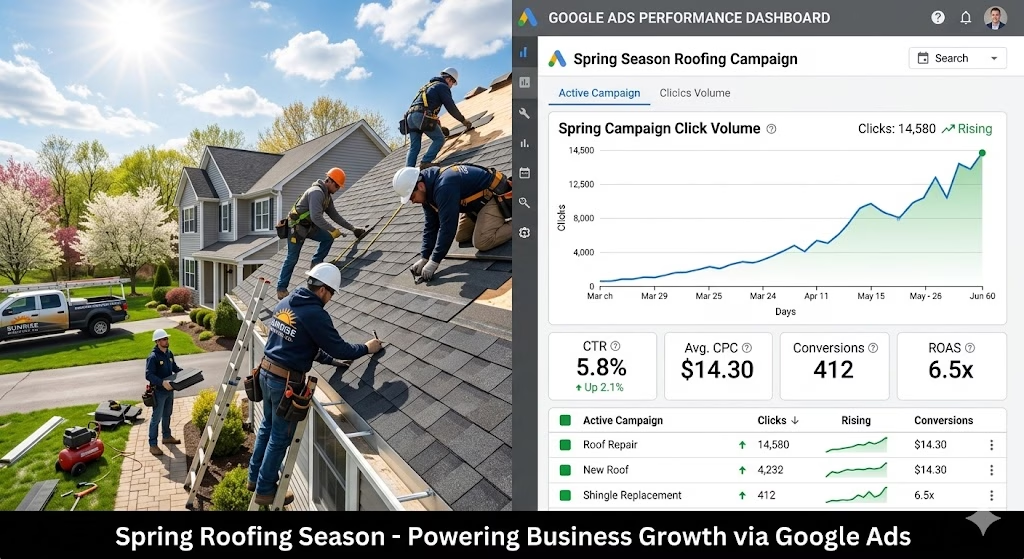
Spring Marketing Surge: How Roofing and Construction Companies Should Prepare Their Ads Before Peak Season
Aug. 28, 2026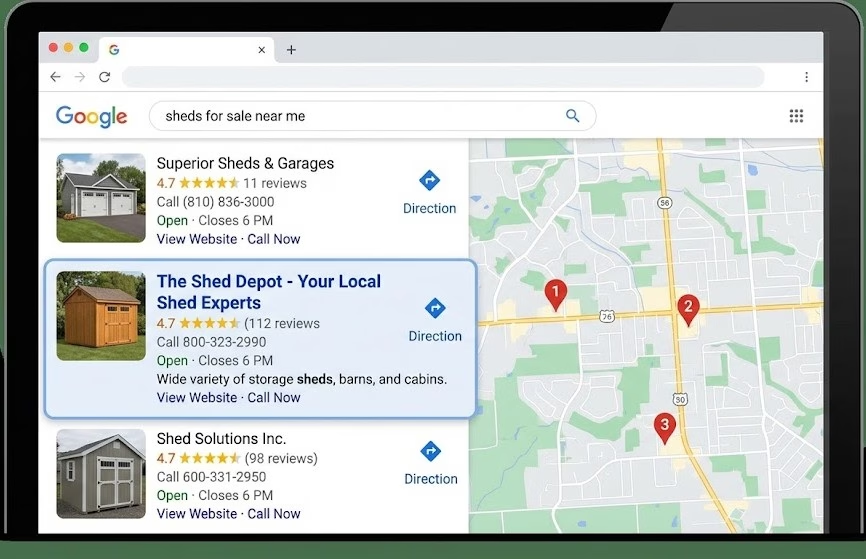
The Shed Dealer’s Digital Playbook: How to Get Found Online and Fill Your Lot
Aug. 21, 2026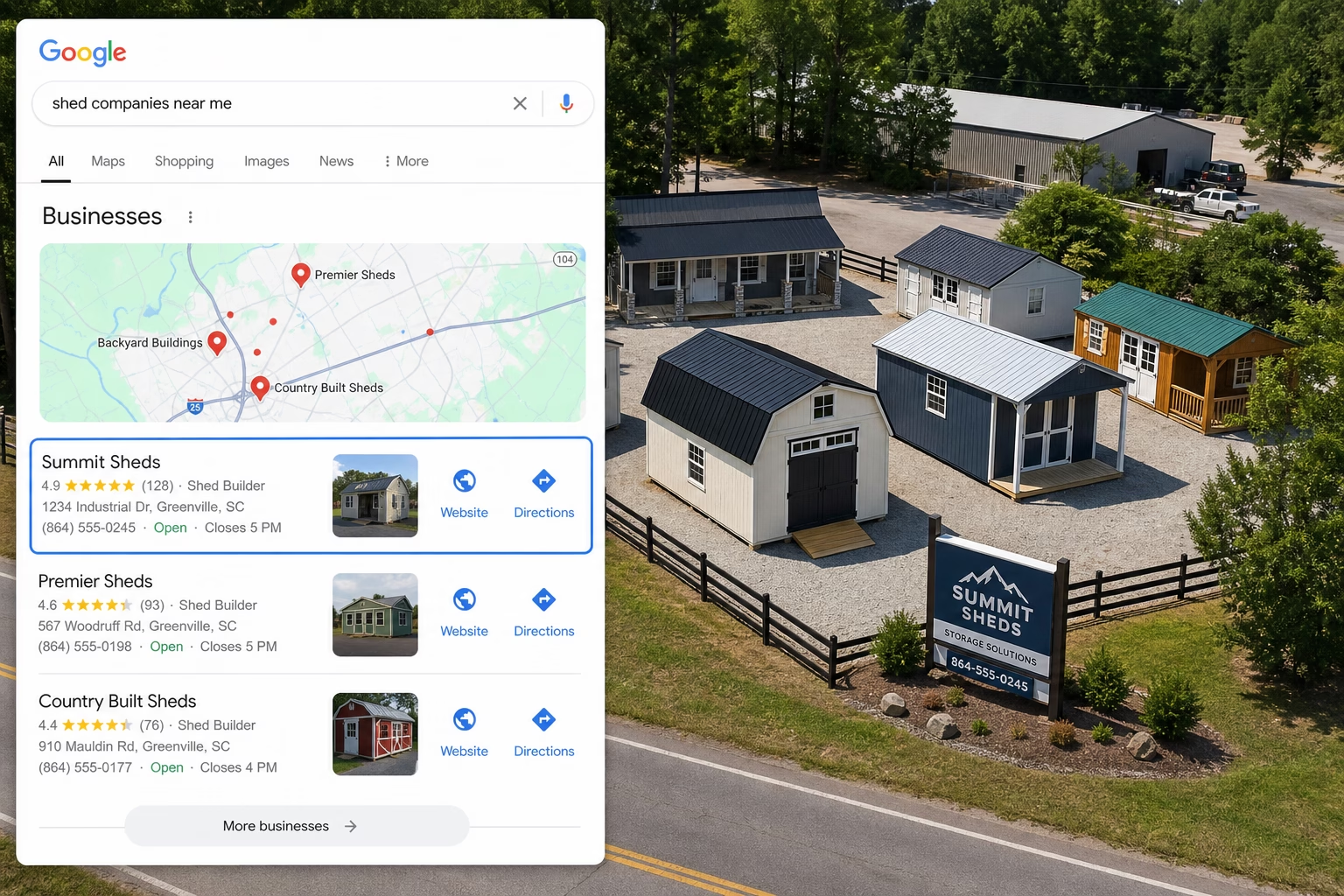
The Shed Business Owner’s Blueprint for Getting Found on Google
Aug. 14, 2026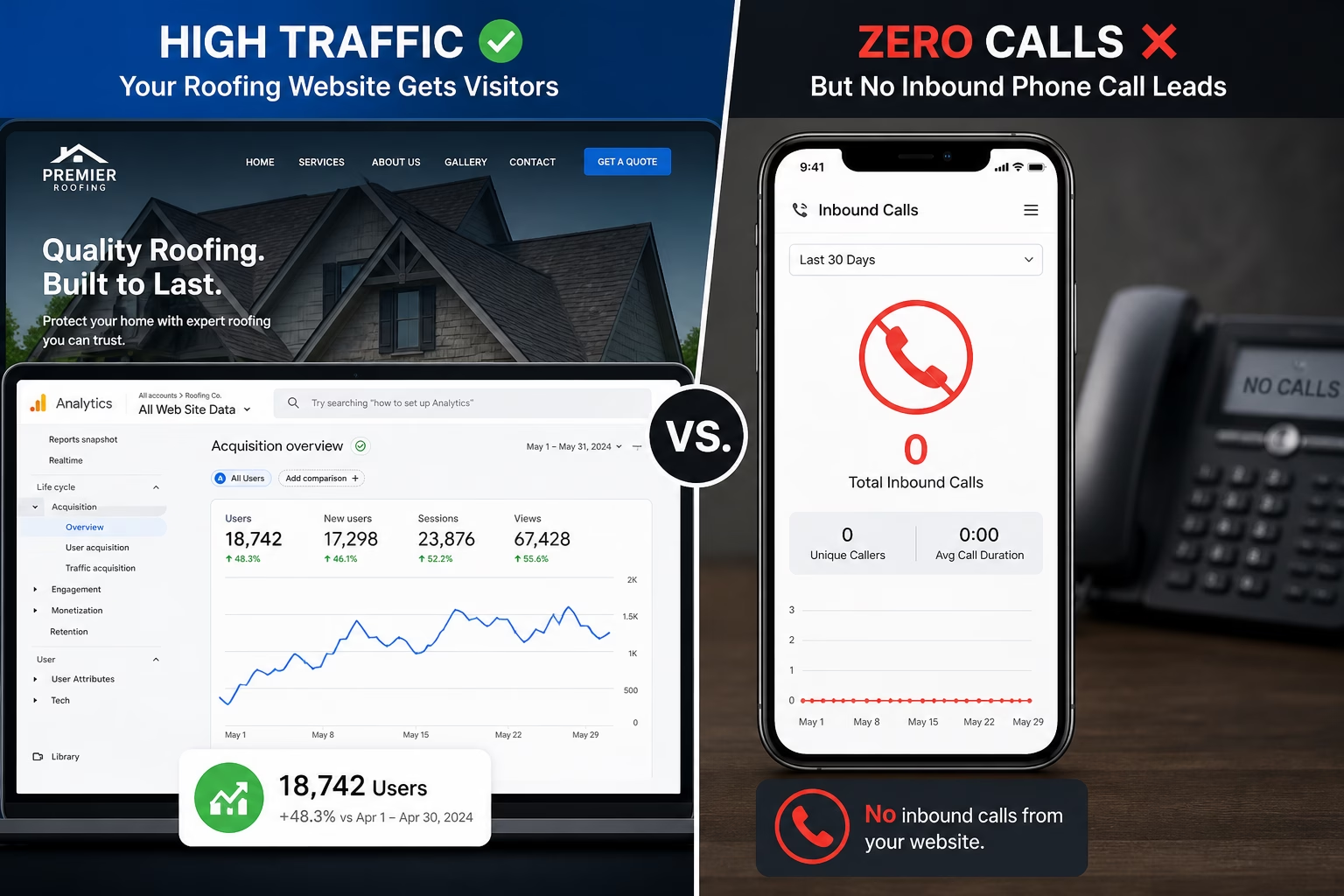
Why Your Roofing Website Gets Traffic But No Phone Calls (And How to Fix It)
Aug. 07, 2026Topics
Pudgy Squirrel Marketing
What a Roofing Website Should Cost in 2026 (And What You Actually Get for the Money)
Read More
Pudgy Squirrel Marketing
Spring Marketing Surge: How Roofing and Construction Companies Should Prepare Their Ads Before Peak Season
Read More
Pudgy Squirrel Marketing
The Shed Dealer’s Digital Playbook: How to Get Found Online and Fill Your Lot
Read More
Pudgy Squirrel Marketing
The Shed Business Owner’s Blueprint for Getting Found on Google
Read More
Pudgy Squirrel Marketing
Why Your Roofing Website Gets Traffic But No Phone Calls (And How to Fix It)
Read More

Pudgy Squirrel Marketing
How to Use Video to Book More Jobs as a Roofer or Builder (Even If You Hate Being on Camera)
Read More
Pudgy Squirrel Marketing
The Anatomy of a High-Converting Contractor Website: What Customers Actually Look for Before Calling
Read More
Pudgy Squirrel Marketing
Seasonal Marketing: How Smart Contractors Stay Busy in the Slow Season
Read More